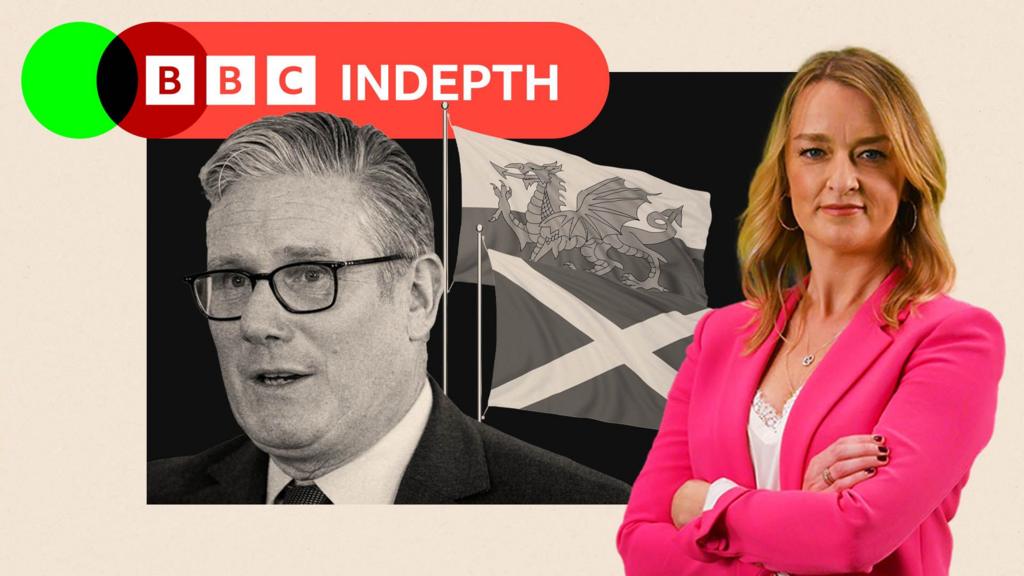
As the United Kingdom approaches critical devolved elections on May 7, Prime Minister Keir Starmer faces a decisive test of his political authority across Scotland and Wales. Recent internal friction within the Labour Party has created a complex atmosphere for local candidates as they attempt to balance national party loyalty with regional priorities. Voters in Cardiff and Edinburgh are weighing the promises of a central government against the persistent economic challenges and public service strain that continue to dominate the local political discourse.
In Wales, the political landscape remains unsettled as the Welsh Labour government defends its long-term record amidst scrutiny over healthcare wait times and educational standards. While Starmer’s leadership has stabilized the party's image on a UK-wide level, some regional activists express concern that a perceived lack of clear policy differentiation could alienate traditional supporters. The opposition parties are seizing on this uncertainty, framing the upcoming vote as a referendum on both the local administration and the broader efficiency of the Westminster leadership.
Across Scotland, the contest takes on a distinct character as the Scottish National Party seeks to capitalize on any perceived weaknesses in the Labour platform. Candidates on the ground report a mixture of optimism and apprehension, noting that while many voters are eager for a change from the status quo, there is lingering skepticism regarding Starmer’s commitment to Scottish interests. The debate frequently pivots between constitutional questions and immediate cost-of-living concerns, forcing all parties to navigate a highly polarized and demanding electorate.
The outcome of these elections will serve as a vital indicator of the Labour Party’s momentum heading into future national cycles. A strong performance would validate Starmer’s centralizing strategy and suggest a shift in voter sentiment away from nationalist alternatives. However, significant losses or a lukewarm reception would suggest that the current administration is struggling to project a cohesive vision that resonates beyond the English borders. For now, the United Kingdom watches as Scotland and Wales prepare to deliver their verdict.