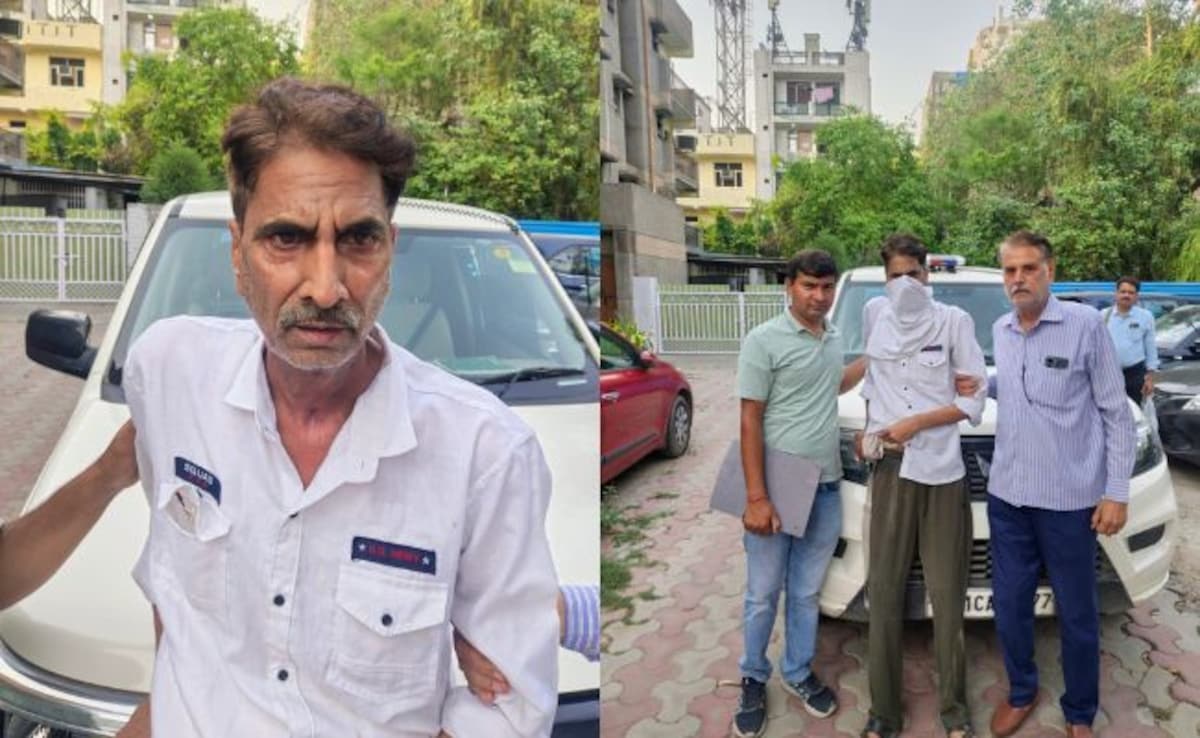
Indian authorities have arrested a prominent YouTuber who had been living under a false identity for decades to evade a life sentence. Known online as 'Ex-Muslim Sahil,' the man was identified as Saleem Wastik, a fugitive convicted for the 1995 kidnapping and murder of a primary school student. Following a long-term investigation, police tracked Wastik to his residence where he had built a significant digital following while hiding his criminal past from his growing audience of subscribers.
The case dates back nearly thirty years when a young boy was abducted for ransom in a high-profile extortion plot. Following the child's tragic death, Wastik was tried and sentenced to life imprisonment at Tihar Jail. However, he managed to abscond during a period of temporary release, successfully vanishing from the authorities' radar. He eventually resurfaced in the digital space, adopting a new persona and name to distance himself from the brutal crimes committed in his youth.
During his years as a fugitive, Wastik meticulously crafted a public image as a social commentator and religious critic. His YouTube channel garnered thousands of followers who were unaware that the person delivering ideological monologues was a convicted murderer. The arrest has sent shockwaves through his online community, highlighting the ease with which individuals can exploit digital anonymity to bypass legal accountability. Law enforcement officials utilized sophisticated digital forensics and manual intelligence to confirm his true identity before the operation.
Wastik has now been remanded back to Tihar Jail to serve his original life sentence without the possibility of immediate parole. This high-profile capture serves as a stern reminder of the persistence of the Indian judicial system in pursuing cold cases despite the passage of time. As the legal proceedings conclude, the focus shifts toward the vulnerabilities in the parole system and the potential for digital platforms to be used as shields by those fleeing the law.