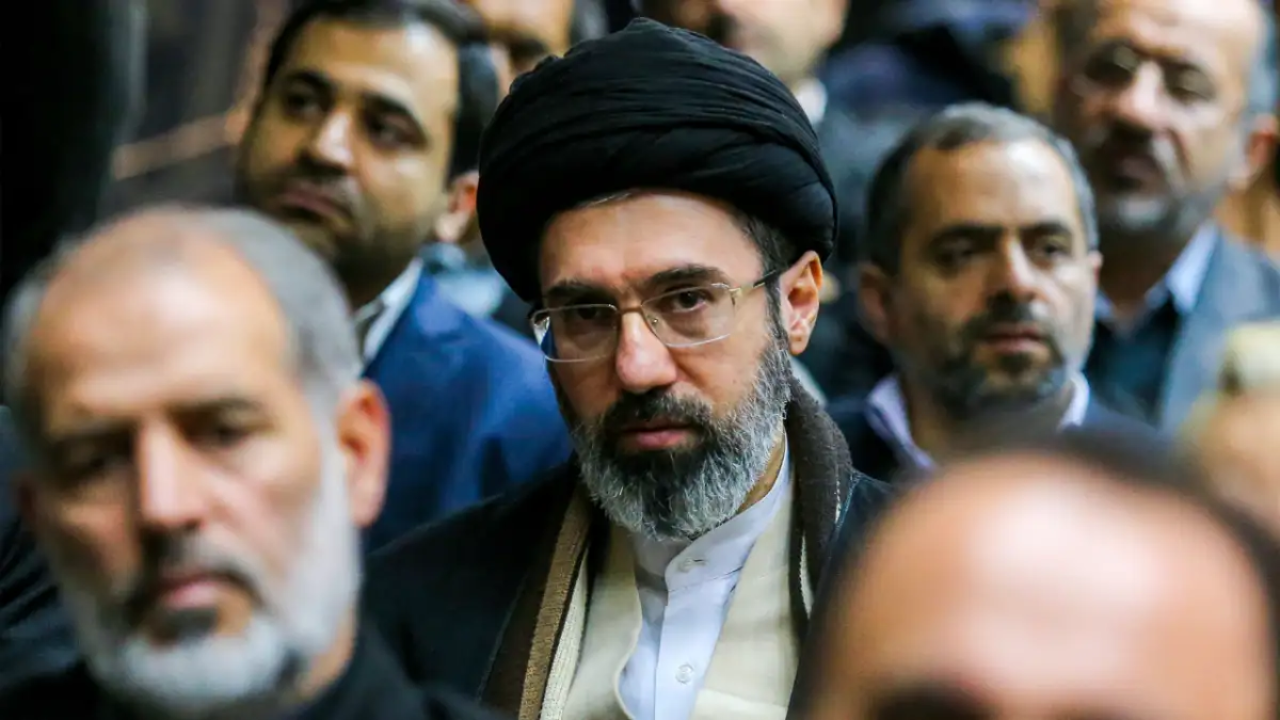
Mojtaba Khamenei, the son of Iran’s Supreme Leader and a pivotal figure in the Islamic Republic’s power structure, is reportedly managing state affairs through a clandestine network of handwritten communications. This shift to an analog command structure follows intensifying security threats and rumors of a sophisticated operation that left him seriously wounded. By utilizing a "human chain" to deliver physical letters, Khamenei seeks to bypass the pervasive digital surveillance capabilities of the United States and Israel, ensuring his directives remain undetected during a high-stakes regional crisis.
The transition to archaic communication methods underscores the deep-seated anxiety within Tehran’s inner circle. Senior Iranian officials have reportedly curtailed personal visits to the leadership’s inner sanctum, fearing that tracking technology or coordinated strikes could target high-level gatherings. This atmosphere of paranoia intensified after reports surfaced of a targeted strike that compromised Khamenei’s physical safety. Consequently, the reliance on paper and couriers has become a necessary survival tactic, neutralizing the advantages of foreign intelligence agencies that specialize in intercepting electronic signals and satellite data.
This strategic retreat into shadows occurs as Iran navigates a complex geopolitical landscape, characterized by direct confrontations and proxy conflicts. Mojtaba Khamenei has long been viewed as a potential successor to his father, Ayatollah Ali Khamenei, making his safety and operational continuity a matter of national security. The disruption of standard diplomatic and military protocols suggests that the Iranian leadership perceives current external threats as existential. By insulating himself behind human layers, the younger Khamenei maintains his influence over the Revolutionary Guard without leaving a digital footprint.
The long-term implications of this insulated leadership style remain uncertain for Iran's bureaucratic efficiency and regional influence. While handwritten directives offer protection against cyber espionage, they inevitably lead to slower response times and potential miscommunications during rapid-response scenarios. As the shadow war with Israel enters a more direct and volatile phase, the effectiveness of this analog strategy will be tested. Tehran's ability to maintain internal cohesion under such restrictive security measures may ultimately determine the stability of the regime during an eventual transition of supreme power.