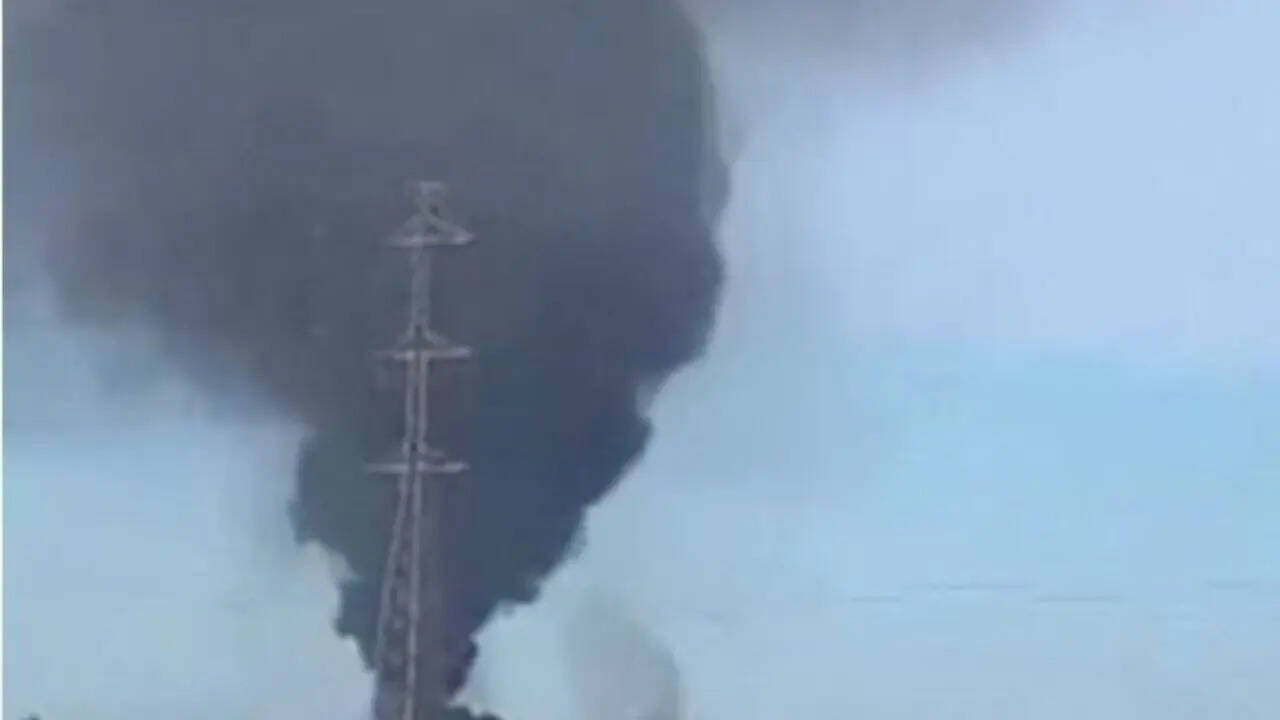
Mali’s capital, Bamako, was rocked by a series of coordinated insurgent attacks early Saturday morning, targeting high-profile military installations and the international airport. Gunfire and heavy explosions erupted near the Modibo Keita International Airport and a military base reportedly used by Russian security contractors. While the Malian government has deployed emergency units to regain control, the audacity of the strikes suggests a significant breach in the city’s defense perimeter during a period of heightened regional instability.
The assaults targeted critical infrastructure, specifically focusing on the Faladié gendarmerie school and areas housing foreign military personnel. Local residents reported sustained small-arms fire and detonations that continued for several hours as security forces scrambled to repel the unidentified gunmen. Initial intelligence indicates that militants affiliated with Jama'at Nusrat al-Islam wal-Muslimin, an Al-Qaeda-aligned group, are the primary suspects. This resurgence of urban warfare demonstrates the group's evolving tactical capability to strike deep into the heart of government territory.
This escalation follows years of shifting alliances and security vacuums in the Sahel region after the withdrawal of French and European forces. Since the military junta seized power, Mali has increasingly relied on the Wagner Group and other Russian paramilitary organizations to combat Islamist insurgencies. However, the intensity of Saturday’s violence raises urgent questions regarding the efficacy of these new security partnerships. Despite claims of progress in the northern territories, the insecurity has now reached the sovereign administrative center of the nation.
The broader implications for West Africa remain grim as the conflict extends beyond remote rural borders into metropolitan hubs. If the junta cannot secure the capital, international investment and diplomatic stability will likely deteriorate further. Analysts warn that these coordinated strikes signify a new phase of the insurgency, where militants utilize mobile tactics to challenge state authority directly. As the situation develops, the international community watches closely to see if Mali can prevent a total descent into protracted urban conflict.